Before You Arrive
Everything you need to know before setting foot on Bonny Island.
LOCATION
Rivers State
LANGUAGE
Ibani / English
CURRENCY
₦ Naira
TIME ZONE
WAT (GMT+1)
Getting Around
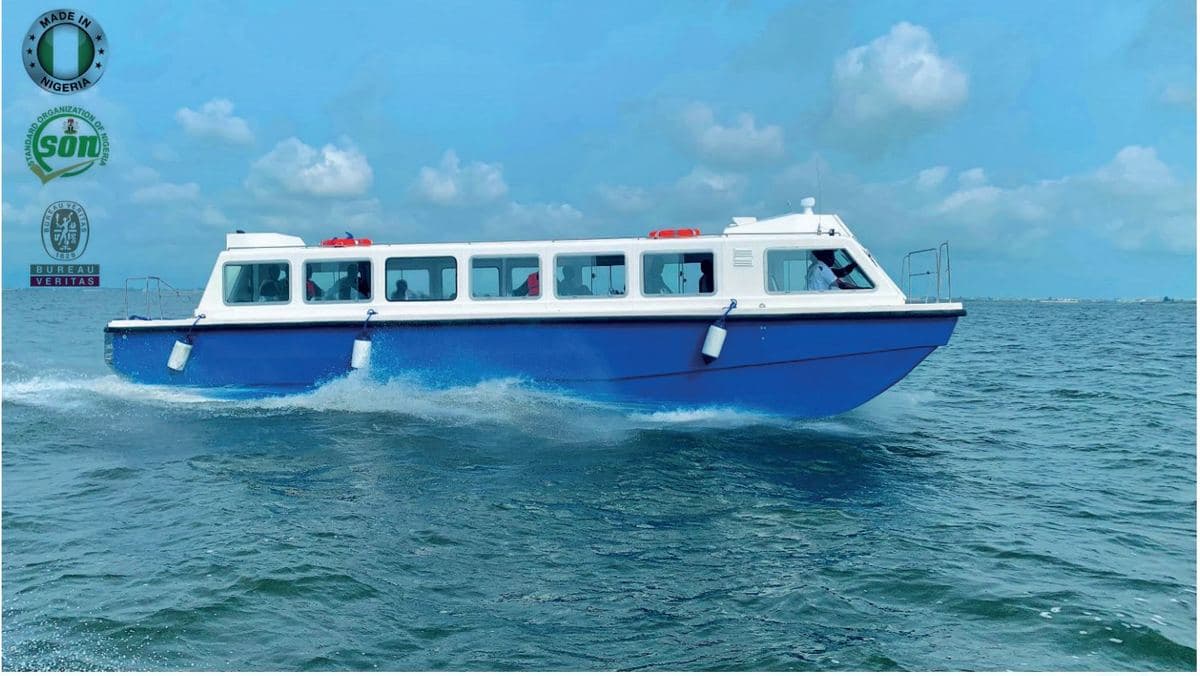
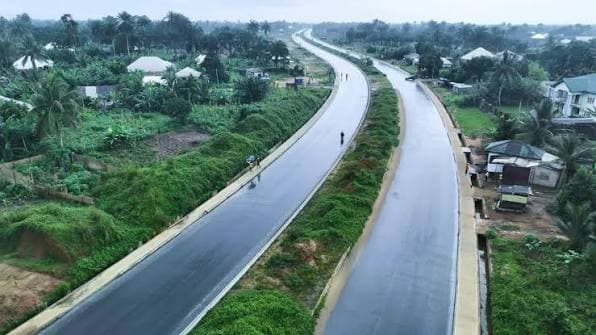
Car cabs, tricycles (keke), and motorcycles (okada) are all available for getting around the island. Car cabs are the most comfortable option and readily available. Boat rides handle creek crossings and inter-waterway trips. We can arrange all your transport through our concierge.

GEOGRAPHY
Best Time to Visit
Dry season November to March. January is driest. Dec 26 & 31. Finima Beach Carnival. Festivals and regattas happen in dry season.

Safety
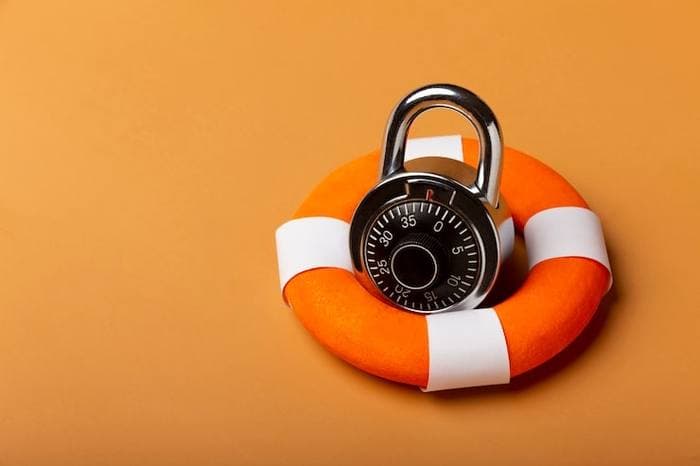
Bonny Island is a secure destination. As an ancient kingdom, Bonny has its own long-established community security structures that have maintained order for centuries. The Kingdom takes the safety of visitors and residents seriously.
The presence of NLNG and Renaissance on the island means a level of infrastructure, monitoring, and security protocols far above the Niger Delta average. These are world-class industrial operators with zero tolerance for instability.
Visitors can move freely across the island. Use the same good judgement you would in any unfamiliar city, and you will find Bonny welcoming and safe.
PRACTICAL
What to Bring
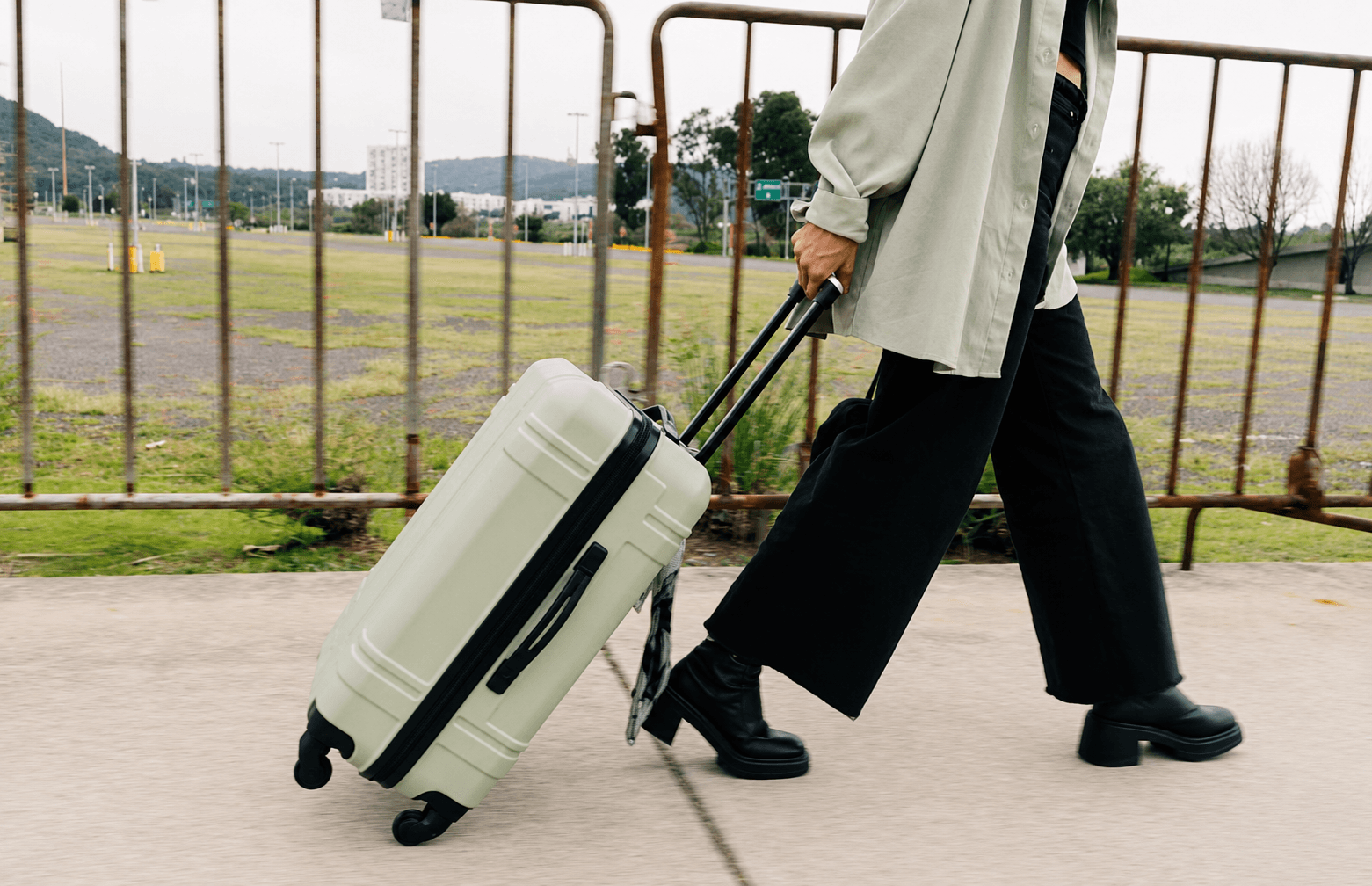
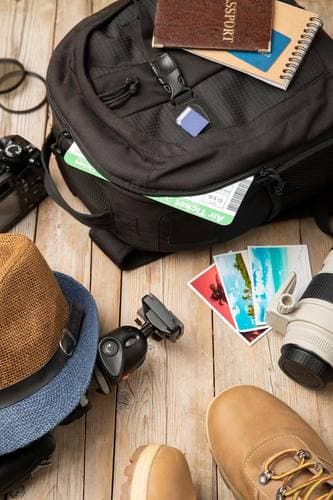
Light clothing (humid year-round), cash in Naira, insect repellent, power bank, prescription medication, sunscreen, comfortable shoes, and a sense of adventure.

PRACTICAL
Money
Nigerian Naira (₦) is the currency. Cash is widely used and always accepted. Card payments via POS are available at hotels and larger businesses. networks are generally reliable. ATMs are limited, so it is wise to arrive with sufficient cash for smaller vendors and local transport.
Tip: Withdraw some cash before leaving Port Harcourt as a backup. Most of your larger purchases can be handled by card or transfer.